Best Cat Food: How to Choose & What to Look For
The "best" cat food is the one that fits your cat's age, health, and preferences — and that you can feed consistently. Marketing claims matter less than the ingredient list, nutritional completeness, and how well your cat does on the food. This guide walks through what to look for.
What cats need to eat
Cats are obligate carnivores, which means they require nutrients found primarily in animal tissue. A complete cat food must provide protein, the amino acid taurine, certain fatty acids, and vitamins such as A and D that cats cannot make on their own. Look for a named animal protein — chicken, turkey, salmon, or beef — near the top of the ingredient list. The most important label claim is a statement that the food is complete and balanced for your cat's life stage.
How to read a cat food label
Labels can be misleading, so focus on a few practical points:
- Check for an AAFCO statement confirming the food is complete and balanced for growth, adult maintenance, or all life stages.
- Prefer foods that name a specific meat first, such as "chicken" rather than vague "meat" or "animal by-products."
- Compare cost per serving, not per bag, since calorie density varies widely.
- Ignore buzzwords like "holistic" or "premium," which have no regulated meaning.
- Look past the front of the bag — the guaranteed analysis lists minimum protein and fat and maximum fiber and moisture, which is more useful than marketing phrases.
Wet food versus dry food
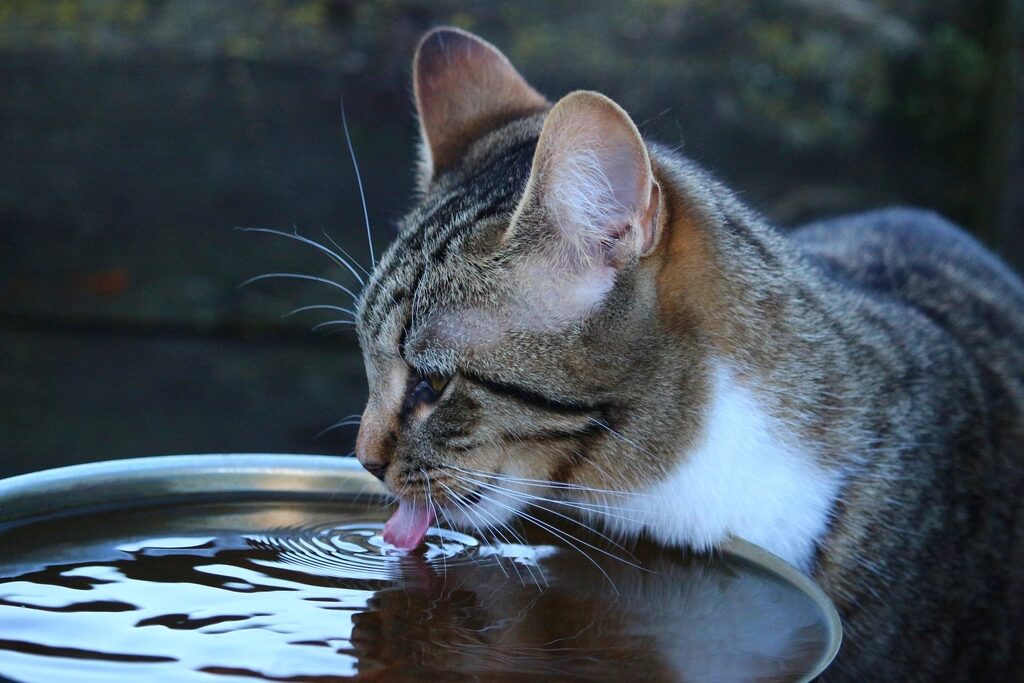
Both formats can be nutritionally complete, and many owners feed a mix. Wet food has higher moisture content, which supports hydration and can help cats prone to urinary issues. It is also easier to chew for cats with dental problems. Dry food is more convenient, less expensive per serving, and can be left out in puzzle feeders. If you feed mostly dry food, make sure fresh water is always available and consider adding a water fountain to encourage drinking.
There is no single right answer — the best choice is the one your cat eats well and thrives on. If you switch formats, do it gradually over a week or two. Some owners offer wet food at set meals and leave a measured amount of dry food in a puzzle feeder during the day.

Matching food to life stage
Kittens, adults, and seniors have different needs:
- Kittens need higher-calorie, growth-formulated food until about one year.
- Adult cats do well on maintenance formulas sized to their activity level.
- Senior cats may benefit from easily digestible protein and joint support, though "senior" formulas vary — follow your vet's advice.
- Cats with health conditions, such as kidney disease or diabetes, should eat a veterinary-recommended diet.
Feeding schedule and portions
Feed most adult cats two measured meals a day, and follow the portion guidance on the label as a starting point. Adjust based on body condition: you should feel the ribs with light pressure but not see them. Use a kitchen scale or measuring cup, since "one scoop" sizes differ between brands. Sudden diet changes can cause stomach upset, so transition gradually over seven to ten days.
Measure treats too, and keep them under about 10 percent of daily calories, since a few extra treats can quickly add up for a small animal.
Signs a food is working
A good diet shows up in your cat's coat, energy, digestion, and weight. Watch for a shiny coat, firm stools, steady energy, and a stable, healthy weight. If your cat has persistent vomiting, diarrhea, itching, or dull fur, the food may not agree with it — talk to your veterinarian before making changes. You do not need to rotate brands or flavors, but if you do, keep the switch gradual and watch the litter box for signs the new food is not settling well.