Dogs: Breeds, Care & Training Guide
Dogs are the most common pet in American households: the American Pet Products Association's 2025 figures count 71 million US households with a dog. This guide helps you decide whether a dog fits your life, then gives you the essentials on breeds, daily care, training, exercise, and health, and points you to our in-depth guide on each topic.
Is a dog right for you?
A dog is a long commitment. Most dogs live around 10 to 13 years on average; small breeds often live longer, and giant breeds often live 8 to 10 years.
Dogs also need daily time with you. One board-certified veterinary behaviorist, quoted by the American Kennel Club (AKC), recommends at least two hours of dedicated social time with people or other dogs every day, which can be split up. Even adult dogs shouldn't be left much longer than six to eight hours without a bathroom break. If you work long days, plan for a dog walker, doggy daycare, or a neighbor or friend who can drop by.
Budget for ongoing costs, not just the first year. The ASPCA's 2021 estimate put a dog's first-year cost at $3,221, including one-time expenses, and each later year at $1,391. These are 2021 figures, not current prices, and they include items such as pet insurance, so treat them as a rough guide when you plan your budget.
Puppy or adult dog?
A puppy takes the most time. A young puppy needs a bathroom break about every hour or two at first; from about 3 months, it can usually hold it for roughly one hour per month of age. Housetraining typically takes 4 to 6 months, depending on the puppy's size, age, and past habits.
With an adult dog, you already know its temperament, and adult dogs usually adjust to a new home quickly and keep learning throughout their lives. Even one that isn't housetrained is usually quick to train, because it can hold it for several hours. Shelters and rescues have many dogs that are already house-trained or used to living with other animals or children, and adoption fees often include vaccinations, spay/neuter surgery, and microchipping.
Choosing a breed
Match a breed's energy level and size to your living situation and to how much time you have for activity. Exercise needs vary widely from breed to breed:
- Border Collie — a very high-energy breed that needs substantial daily exercise along with mental stimulation.
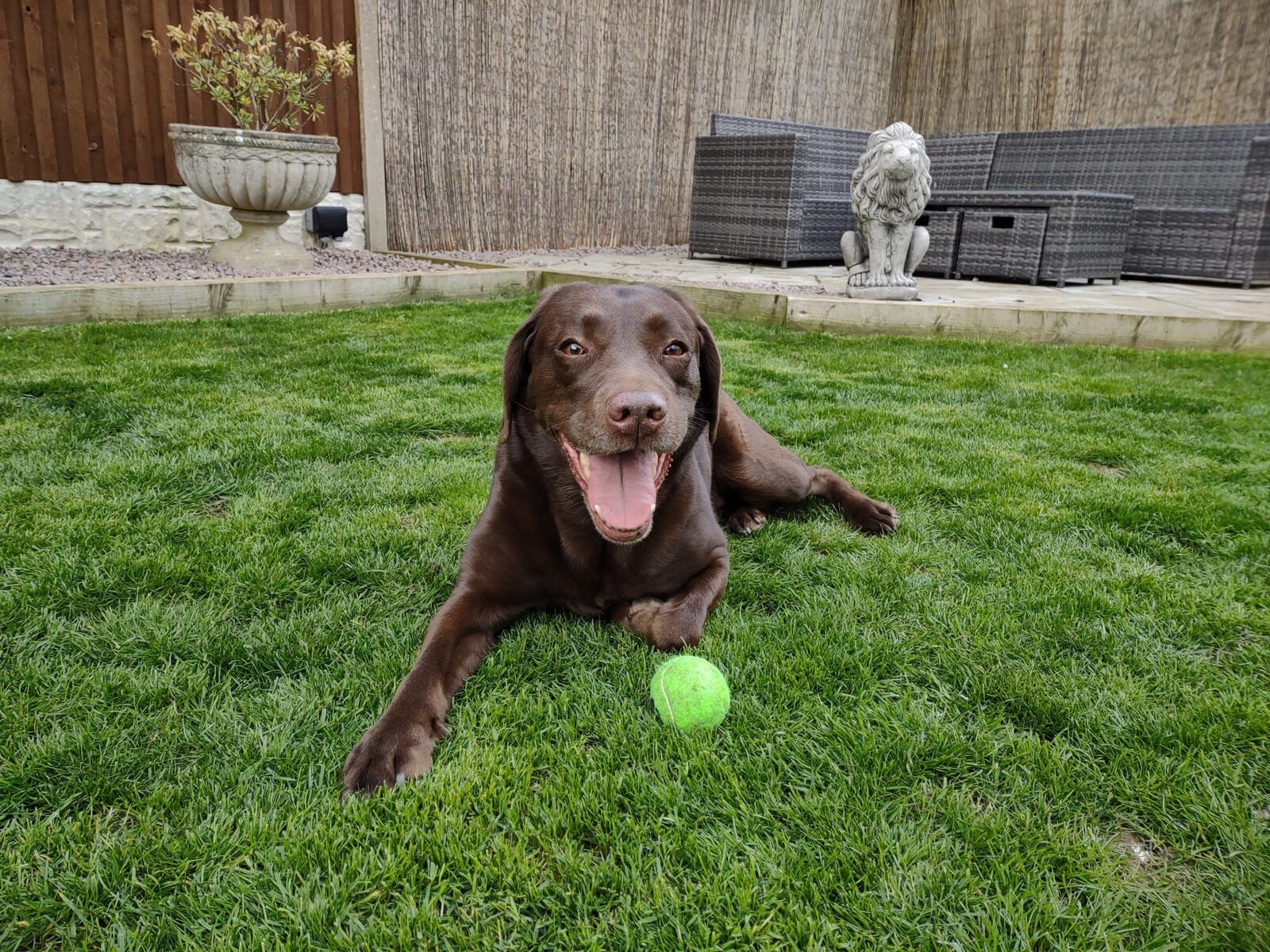
- Labrador Retriever — needs a lot of exercise; daily activity helps prevent hyperactive or destructive behavior.
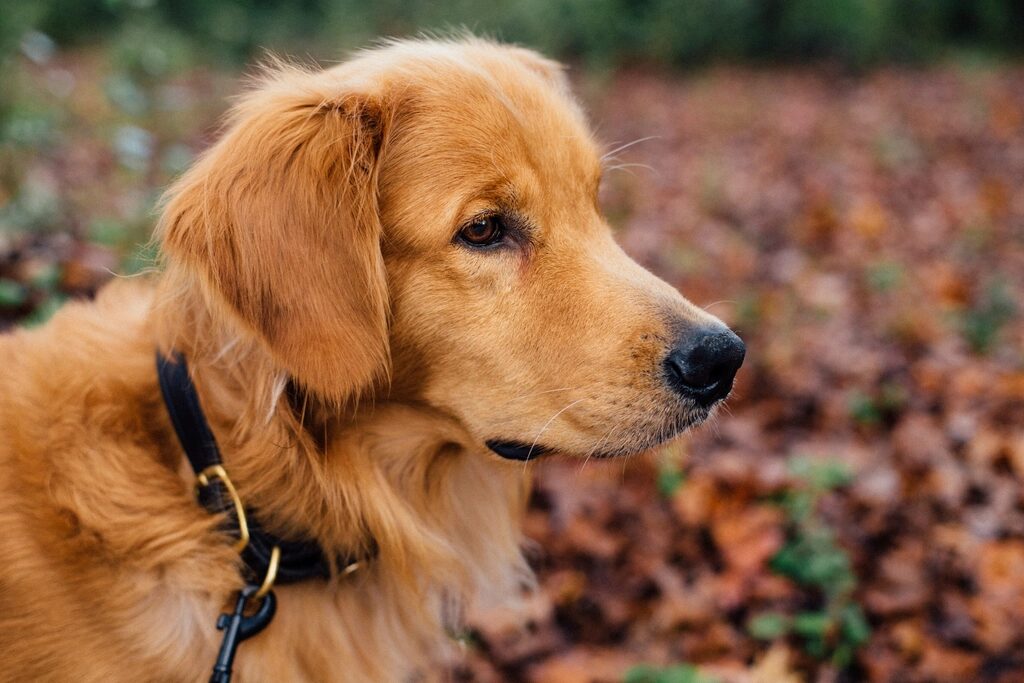
- Golden Retriever — friendly, affectionate, and relatively easy to train, but it needs daily exercise. Without enough activity, it can get bored and develop unwanted behaviors.
- French Bulldog — short walks or outdoor play each day are usually enough. As a flat-faced breed, it handles heat and strenuous exercise poorly, so keep it cool and don't overdo it in hot weather.
- Basset Hound — not a high-energy dog, but it still needs daily walks and regular play sessions to stay healthy.
- Greyhound — adults are usually happy with leash walks, while young Greyhounds need plenty of exercise in a safe, fenced area. It's safest never to let a Greyhound off-leash in an unfenced area.
Daily care
Feed a complete and balanced diet for your dog's life stage (growth for puppies, maintenance for adults), and adjust portions to its activity level and condition. Keep fresh water available. Our guide to choosing the best dog food explains what to look for.
Brush your dog's teeth daily if possible, and at least every other day. Most dogs need a nail trim about once a month. Grooming depends on breed and coat type: most dogs need a few brushing sessions a week, long-coated breeds often do best with daily brushing, and breeds such as Beagles need less coat care. Our dog grooming guide covers coat care and hygiene in detail.
Keep a consistent daily routine for meals, walks, and training. Dogs benefit from knowing what to expect, but a routine that is too rigid can be counterproductive. Our dog supplies checklist lists what you need to get started.
Training fundamentals
Use positive reinforcement: reward the behavior you want to see. Keep sessions brief, about five to 10 minutes, and spread short sessions through the day instead of holding one long one. Start early with the basic cues: come, sit, down, stay, and loose-leash walking. Our dog training basics guide covers the commands every dog should know.
Socialize puppies during the critical window, roughly the first three months of life: introduce them to as many new people, animals, and places as you can safely, without overwhelming them. Don't wait until your puppy is fully vaccinated to start, because waiting misses the window; a well-run, indoor puppy class can start at 8 weeks of age. Ask your veterinarian how to socialize your puppy safely before vaccinations are complete. Our puppy care guide covers the whole first year.
Exercise and enrichment
Most adult dogs benefit from 30 minutes to two hours of activity a day, depending on breed; age and health matter too. Check with your veterinarian before starting a regular exercise plan, especially for puppies, whose growing bones can be hurt by long runs, for seniors, and for flat-faced (brachycephalic) breeds such as pugs and bulldogs. Our dog exercise guide explains how much exercise your dog needs.
Mental stimulation complements physical exercise; it doesn't replace it. Puzzle toys, scent games, and training give your dog's mind a workout, and dogs that don't get enough stimulation tend to find their own, often through unwanted behaviors. Our guide to dog toys covers chew, fetch, and puzzle toys.
Health essentials
Take your adult dog for a veterinary wellness exam at least once a year. Senior dogs, over about 7 to 8 years old according to the Merck Veterinary Manual, should have one twice a year.
Core vaccines protect against diseases such as distemper, parvovirus, and rabies. Your veterinarian sets your dog's vaccine schedule and parasite-prevention plan, which covers heartworm, fleas, ticks, and intestinal parasites, based on where you live and your dog's lifestyle. Our dog health checklist covers preventive care in more detail.