Best Dog Toys: Chew, Fetch & Puzzle Toys
Toys are more than entertainment for dogs — they provide exercise, mental stimulation, and an appropriate outlet for chewing that protects your furniture and shoes. The right toy depends on your dog's size, energy level, and how aggressively it chews.
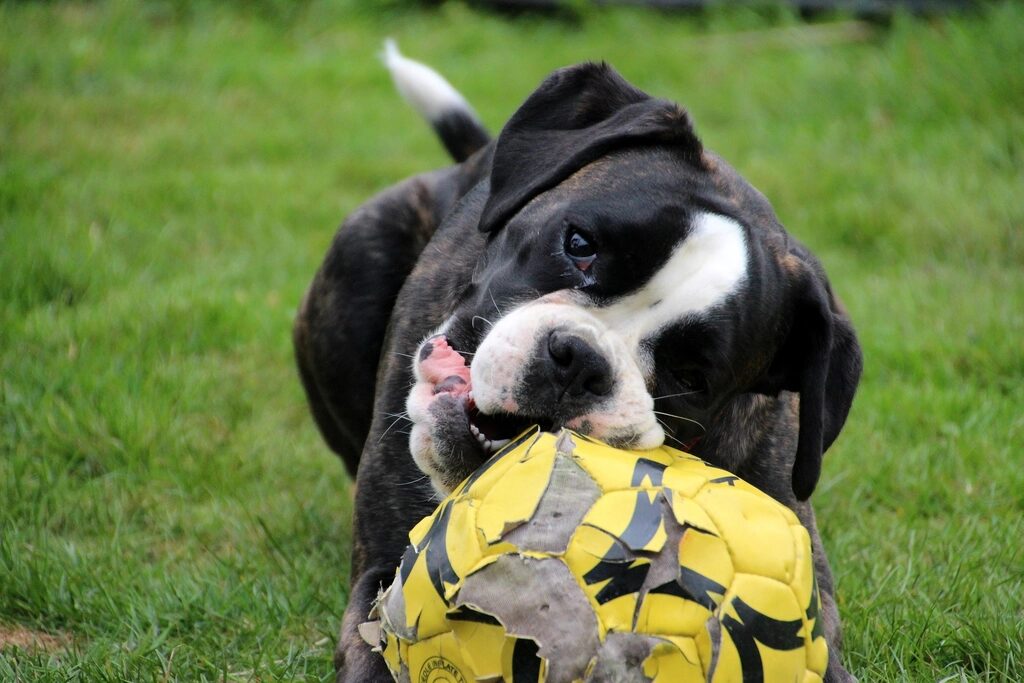
Types of dog toys
- Chew toys — rubber or nylon toys built to withstand constant chewing.
They satisfy a dog's natural urge to gnaw and help keep teeth clean.
- Fetch toys — balls and flying discs for active, outdoor play.
- Puzzle toys — treat-dispensing toys that make a dog work for food,
which reduces boredom and slows fast eaters.
- Tug toys — rope or fabric toys for interactive tug-of-war.
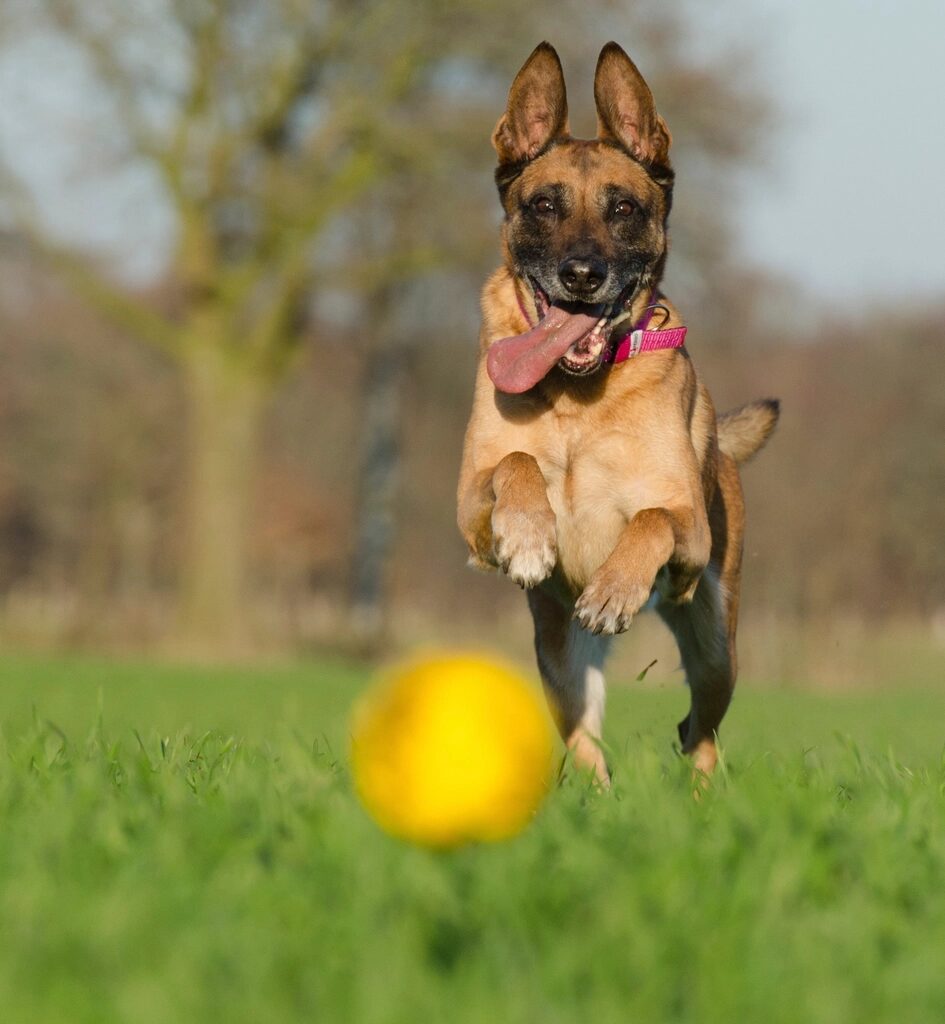
Matching toys to chew strength
Choose durability based on how hard your dog chews. Light chewers do fine with soft rubber and plush toys, while aggressive chewers need extra-durable rubber or nylon. A toy that is too soft can be destroyed and swallowed in pieces; a toy that is too hard can damage teeth.
Safety rules
- Replace any toy that is cracked, torn, or missing pieces.
- Supervise with rope toys and remove loose threads.
- Choose fetch balls too large to swallow.
- Avoid toys with small parts that can be chewed off.
Rotating and using toys
Just like people, dogs get bored with the same toy every day. Rotate a small selection weekly, and use puzzle toys or stuffed toys to keep a dog occupied when home alone. Always match the toy to the setting — a durable chew toy for unsupervised time, and interactive toys only when you are present.