Dog Training Basics: Commands Every Dog Should Know
Training is not about obedience for its own sake — it is how you communicate with your dog and keep it safe. A dog that reliably sits, stays, comes, and walks on a loose leash is easier to live with and far less likely to bolt into traffic or knock over a child. These are the commands worth teaching first, plus the method that makes them stick.
How dogs learn
Dogs learn by association. When a behavior is followed by something the dog values — food, a toy, or praise — that behavior becomes more likely. This is why reward-based training works better than punishment: it teaches the dog what to do instead of only what to stop doing.
Keep sessions short, around five to ten minutes, and end while the dog is still succeeding. Use a small, soft treat the dog can eat quickly, and mark the exact moment of success with a word like "yes" or a clicker before delivering the reward.
Core commands: sit, stay, and down
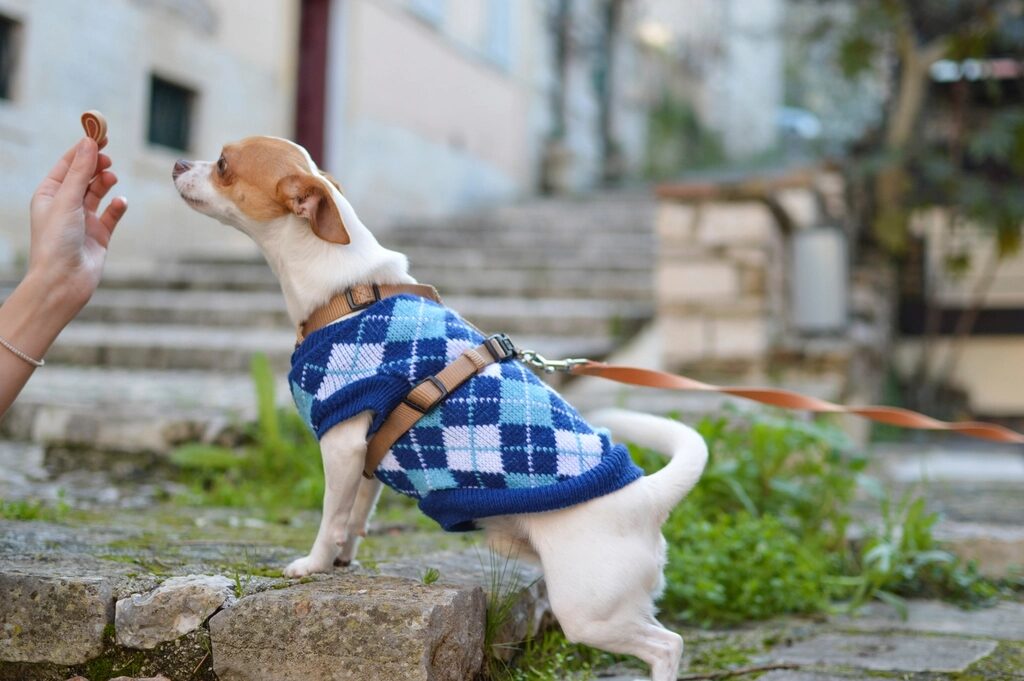
Sit is the foundation of almost everything else. Hold a treat near the dog's nose, raise it slowly up and back over the head, and the dog's rear will usually drop. The moment it does, mark and reward. Add the word "sit" once the motion is reliable, then practice in different rooms and outdoors so the dog learns the cue works everywhere.
Stay teaches impulse control. Start with the dog in a sit or down, hold up a flat palm, say "stay," and wait a couple of seconds before marking and rewarding. Gradually increase distance and duration one variable at a time — not both at once. Release with a clear word such as "okay" so the dog knows when the exercise is over.
Down is a calmer position than sit and is useful when you want the dog to relax. Lure the dog from a sit by lowering a treat to the floor and slightly forward. Once it lies down, mark and reward, then extend the time gradually to teach the dog to settle in place instead of pacing.
Come when called
A reliable recall is the single most important safety command. Start indoors with no distractions, say the dog's name and "come" in a happy tone, and reward heavily when it arrives. Never call the dog to punish it or to end something fun, or the word will lose its value. Build up to calling from the yard, then from a long line in a park before ever trusting it off-leash.
Loose-leash walking
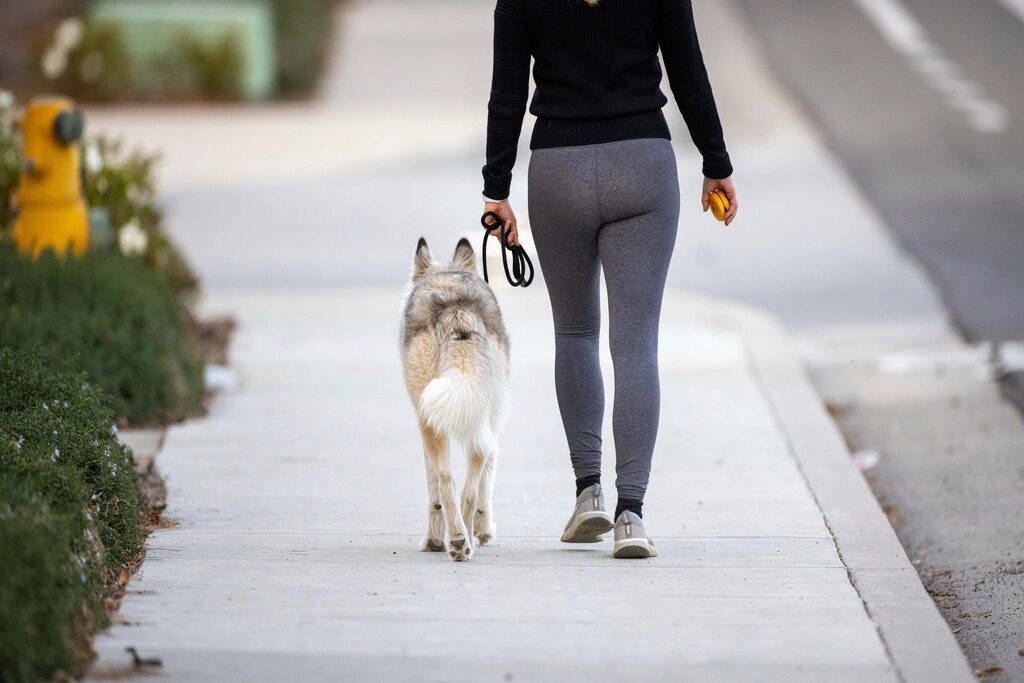
A dog that drags you down the street turns every walk into a chore. Reward the dog whenever the leash is slack and it is walking beside you. When the dog pulls, stop moving; start again once the leash loosens. A front-clip harness can help manage strong pullers while you train.
Leave it and drop it
"Leave it" stops the dog from picking something up, and "drop it" gets it out of the mouth. Start "leave it" with a treat in a closed fist; reward the dog for ignoring it. For "drop it," trade a toy for a better treat so the dog learns that giving things up pays. These two commands prevent swallowed objects and keep the dog away from things it should not eat.
Consistency is the real secret
Dogs do not generalize well, so teach each command in many locations with gradually more distractions. Use the same words and hand signals every time, and get everyone in the household on the same page. Ten minutes a day, every day, will outperform one long weekly session — and it will build a dog that trusts you.