Dog Exercise Guide: How Much Exercise Does Your Dog Need?
Exercise is one of the biggest influences on a dog's behavior and long-term health. A well-exercised dog is calmer, sleeps better, and is less likely to channel boredom into barking, chewing, or digging. But "enough" varies widely by breed, age, and health, and too much of the wrong kind can be as harmful as too little. Here is how to find the right amount for your dog.
Why exercise matters
Regular movement keeps a dog's weight in check, supports healthy joints, and provides mental stimulation through new smells and sights. For most dogs, the sniffing and exploration that happen on a walk are just as valuable as the physical activity itself. A walk that lets a dog sniff is more tiring and satisfying than one that marches at a fixed pace.
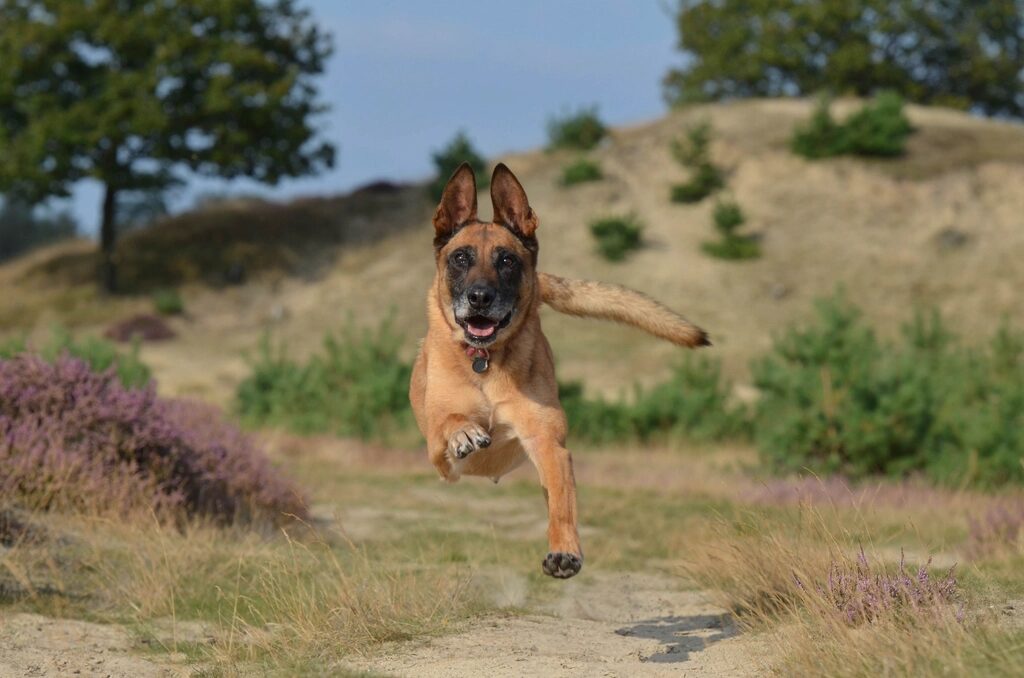
Dogs that do not get enough exercise often show it in behavior: restlessness, destructive chewing, excessive barking, and attention-seeking. Before trying anything else for a rowdy dog, the first thing worth checking is whether it is simply under-exercised.
Breed and age matter
Working and sporting breeds — Border Collies, Huskies, Labradors, German Shepherds — need an hour or more of vigorous activity most days. Brachycephalic breeds such as French Bulldogs and Pugs need far less and can overheat quickly. Toy breeds often satisfy much of their needs with indoor play plus a short walk.
Puppies need frequent, short bursts of low-impact play rather than long forced runs, which can harm growing joints. Adult dogs can handle structured exercise, and seniors usually do best with shorter, gentler sessions that keep joints moving without strain. A dog recovering from illness or managing a condition such as arthritis should follow a plan set by its veterinarian.
Types of exercise
- Walking with sniffing — the daily foundation for nearly every dog.
- Off-leash running and fetch — high-energy release where safe.
- Swimming — excellent low-impact exercise for joints.
- Tug, flirt poles, and indoor games — good for bad weather.
- Mental work — puzzle toys, scent games, and training burn real energy.
A mix of physical and mental exercise keeps a dog balanced. Ten minutes of nose work can tire a dog as much as a longer walk.
On hot or rainy days, move exercise indoors. A hallway game of fetch, a flirt pole in the living room, a stuffed puzzle toy, or a short training session can substitute for a walk when going outside is not safe. The goal is to make the dog think and move, not simply to exhaust it.
Signs you have the amount right
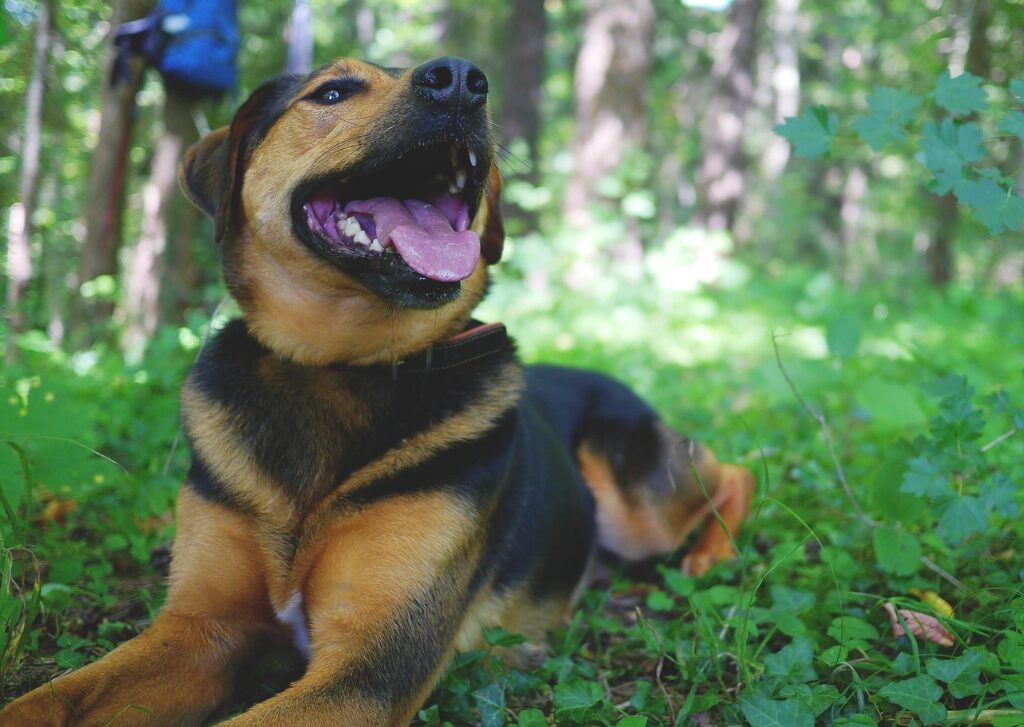
A dog that settles and naps after a session and is calm around the house has likely had enough. Watch for the opposite signals, too: heavy panting, lagging behind, limping, or lying down mid-walk are signs to stop. Young, growing dogs and flat-faced breeds should be watched especially closely, and any dog should be given water and shade when it asks for a break.
Building a routine
Aim for consistency — a similar amount each day is easier on a dog's body than a weekend of overexertion. Build up gradually when increasing distance or intensity, and adjust for heat: exercise in the morning or evening and carry water on hot days. Check paw pads on rough or hot pavement, and remember that a tired dog is a well-behaved dog, but a truly exhausted dog needs rest, not more activity.
Vary the route and the activity so the dog does not get bored, and watch how it recovers the next day. If your dog is stiff or reluctant to get up after a hard session, scale back the next one. Exercise should leave a dog happily tired, not limping or unwilling to move.