Dog Health Checklist: Preventive Care Essentials
Preventive care is the most effective way to keep your dog healthy and to avoid the expensive emergencies that come from catching problems late. A short annual checklist — vaccinations, parasite prevention, dental care, weight checks, and a few at-home habits — does most of the work. Here is what to include and how often to do it.
Schedule routine vet visits
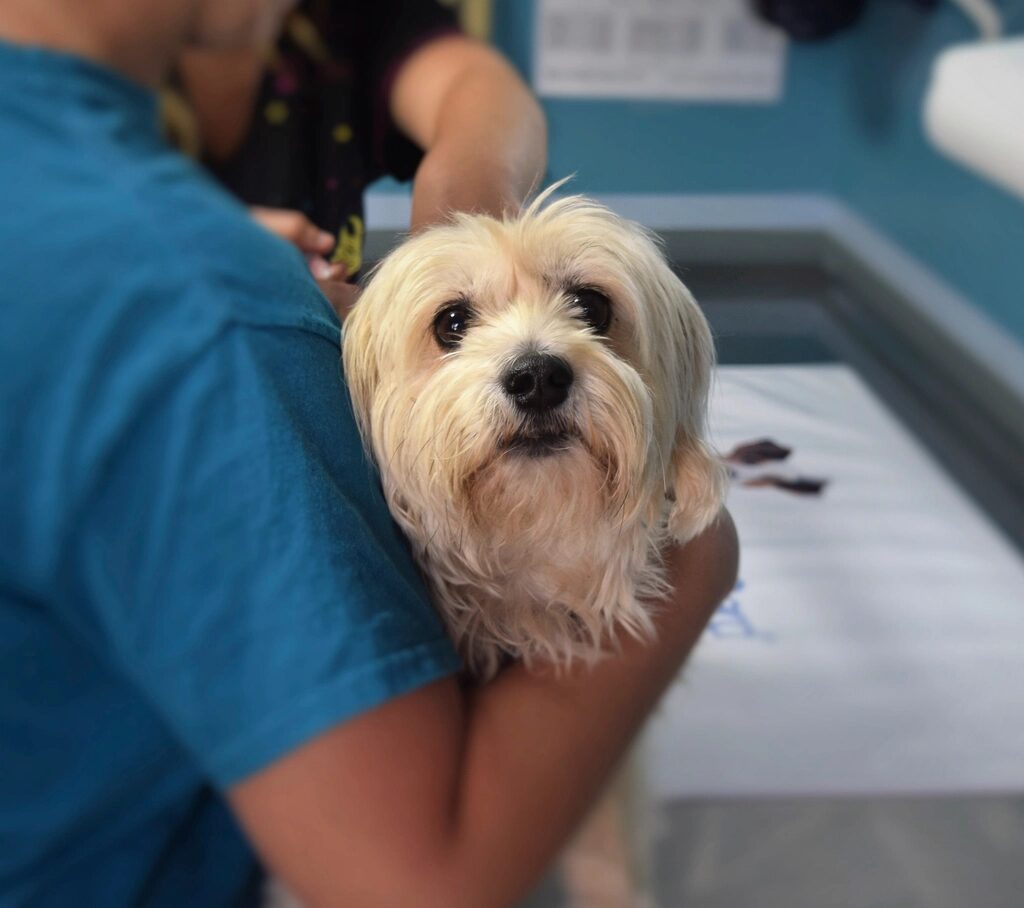
Healthy adult dogs should see a veterinarian at least once a year for a physical exam. Puppies need several visits in their first few months for vaccinations, and senior dogs or those with chronic conditions often benefit from twice-yearly checks. The exam is when your vet weighs the dog, listens to the heart and lungs, checks the ears, eyes, teeth, and skin, and spots problems before they become serious.
Bring notes on anything you have noticed — appetite changes, drinking more, coughing, lumps, or behavior shifts — so nothing gets overlooked. Written notes beat trying to remember everything in the exam room. Catching a change early usually means a cheaper, easier fix, so learn your dog's baseline: how much it eats and drinks, how often it goes outside, and its normal energy level, so that deviations stand out quickly.
Keep vaccinations current
Core vaccines protect against diseases such as rabies, distemper, parvovirus, and adenovirus. Rabies is required by law in most states. Non-core vaccines, such as those for Lyme disease, Bordetella (kennel cough), or canine influenza, depend on your dog's lifestyle and location. Your veterinarian will recommend a schedule, and keeping it current protects both your dog and the other dogs it meets.
Stay on top of parasite prevention
Year-round prevention for fleas, ticks, and heartworm is recommended in most of the United States, even in winter. Heartworm is spread by mosquitoes and is serious and expensive to treat, while ticks can transmit Lyme disease and other infections. Use a veterinarian-recommended product consistently, and check your dog for ticks after time outdoors, paying attention to the ears, armpits, and between the toes.
Make dental care routine
Dental disease is one of the most common health problems in dogs, and it affects more than the mouth — bacteria from infected gums can reach the heart and kidneys. Brush your dog's teeth several times a week with dog toothpaste, offer dental chews and toys, and ask your vet about professional cleanings when tartar builds up.
Manage weight and nutrition
Obesity shortens a dog's life and worsens arthritis, diabetes, and breathing problems. Feed measured meals, limit treats, and keep a hands-on check: you should be able to feel the ribs easily without pressing and see a waist when looking down at your dog. If weight drifts up, cut portions and increase exercise before the problem compounds. Senior dogs also benefit from periodic bloodwork, which can catch kidney, liver, and thyroid changes before symptoms appear; your vet can suggest how often, based on age and breed.

Do regular at-home checks
Between vet visits, run through a quick weekly check. Look at the eyes and ears for redness or discharge, the skin for lumps or hot spots, and the paws for cracks or foreign objects. Note any new lump, persistent scratching, bad breath, or change in eating, drinking, or bathroom habits. Catching changes early and mentioning them at the next visit is one of the simplest ways to keep a small issue from becoming a big one.
Finally, keep identification current. A microchip plus a collar tag with your phone number is the fastest way to get your dog home if it ever slips a leash or a gate. Update the chip's registration whenever you move or change numbers.