Dog Grooming Guide: Coat Care & Hygiene
Grooming is about more than keeping your dog clean. Regular brushing, bathing, nail trims, and ear and dental care prevent mats, infections, and pain, and they give you a chance to spot lumps, cuts, and parasites early. The right routine depends on your dog's coat type, so the first step is knowing what kind of coat you are working with.
Know your coat type
Coat types fall into a few broad groups. Short, smooth coats, such as a Beagle's or Boxer's, shed steadily and need weekly brushing. Double coats, such as a Golden Retriever's or Husky's, have a soft undercoat that blows seasonally. Long or silky coats, such as a Shih Tzu's, mat easily and need frequent brushing. Curly or wiry coats, such as a Poodle's, barely shed but keep growing and need regular clipping.
Match your tools to the coat. A slicker brush and undercoat rake serve a double coat well, while a pin brush and comb suit long, silky hair. Ask a groomer or breeder which tools fit your dog if you are unsure.
Brushing
Brush most dogs one to three times a week, and daily for long-haired breeds prone to matting. Work in the direction of hair growth and go all the way to the skin, not just over the surface. Pay special attention to friction points — behind the ears, under the legs, and around the collar — where mats form first.
Never yank out a mat. Work it apart gently with your fingers or a detangling spray, or clip it out carefully if it is too tight. Mats pull on the skin and can hide sores underneath.
For heavy shedders, a de-shedding tool used once or twice a week during spring and fall removes loose undercoat before it ends up on the furniture. Brush outside when possible so loose hair stays out of the house, and follow up with a quick pass of a soft brush to redistribute natural oils and leave the coat shiny.
Bathing
Most dogs need a bath every four to eight weeks, depending on coat and lifestyle. Over-bathing strips natural oils and can dry the skin. Use a dog-specific shampoo — human shampoo has a different pH and can irritate skin. Wet the coat thoroughly, lather from the neck down, and rinse completely, since leftover shampoo is a common cause of itching.
Dry the dog well, especially in the folds and ears, and never leave a damp coat on a cold dog. Between baths, a wipe-down or waterless shampoo can handle light dirt. Dogs with oily skin or outdoor lifestyles may need bathing more often, while a double-coated dog might need less — let your dog's smell and skin condition, not a fixed calendar, be the guide.
Nails, ears, and teeth
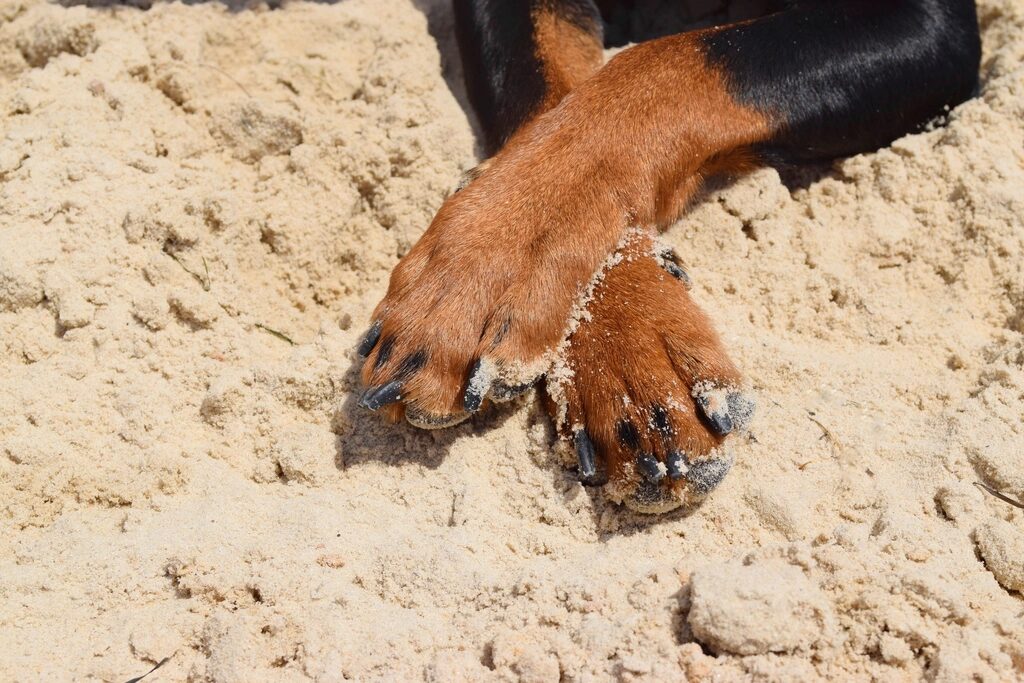
Trim nails every two to four weeks. If you hear clicking on hard floors, the nails are too long. Trim small amounts at a time and avoid the quick — the pink blood vessel inside light nails. On dark nails, trim a sliver at a time and stop at the chalky center.
Check and clean the ears weekly, especially in floppy-eared dogs. Use a veterinarian-approved ear cleaner and never insert anything deep into the canal. Brush teeth several times a week with dog toothpaste to prevent dental disease, which is one of the most common health problems in adult dogs.
When to see a professional
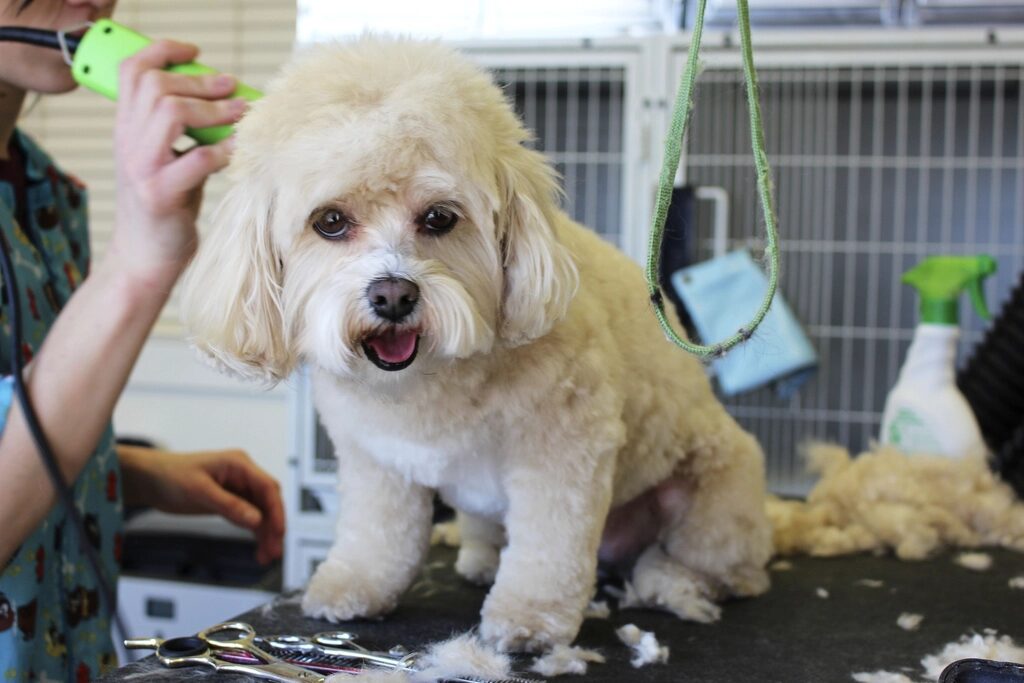
If your dog's coat is badly matted, or if it needs a style-specific clip, a professional groomer is worth the cost. Most dogs also benefit from a professional groom every couple of months to handle nails, ears, and sanitary trims with less stress. Start grooming young and keep sessions short and positive, so the dog learns to tolerate — even enjoy — being handled.