Maine Coon: Care, Personality & Breed Guide
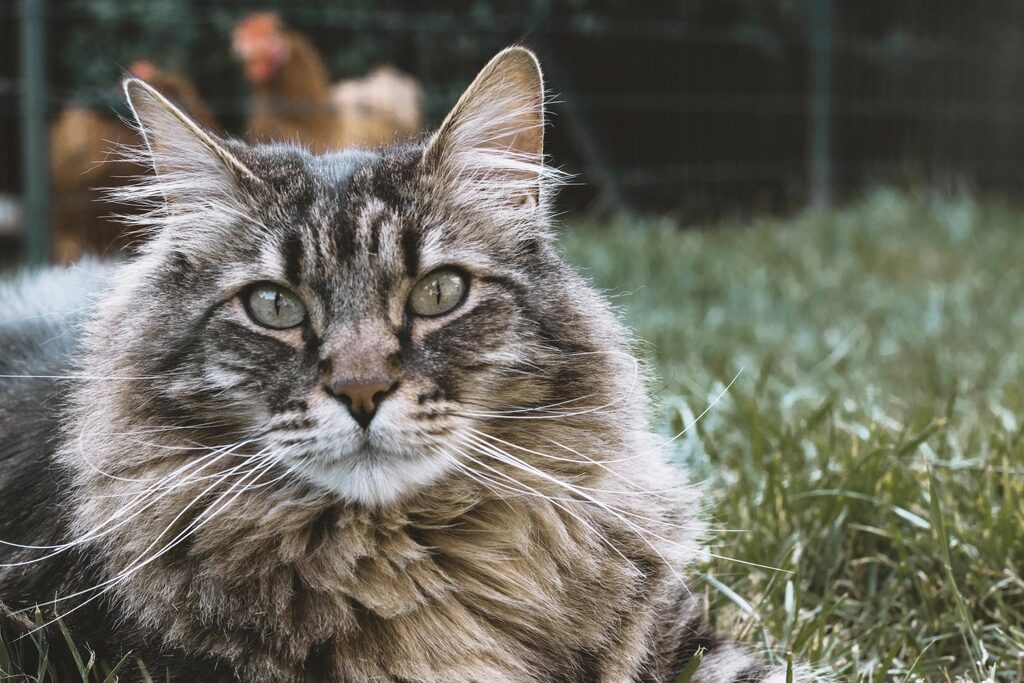
Maine Coons are among the largest domestic cats and a favorite with families who want an easygoing, people-oriented companion. With their long, shaggy coats, tufted ears, and bushy tails, they are often described as gentle giants. This guide covers what to expect from the breed and how to keep one healthy and content.
Personality and temperament
Maine Coons are sociable and tend to form strong bonds with their people. Many will follow you from room to room, wait by the door when you come home, and supervise whatever you are doing rather than hide from household activity. They are usually patient with children and, when introduced gradually, coexist well with other cats and cat-friendly dogs.
They are vocal but rarely loud. Expect chirps, trills, and quiet meows more than insistent yowling. Most also enjoy being near you without demanding constant lap time — a Maine Coon often settles beside you on the couch instead of on top of you.
They are also notably intelligent, and many learn to fetch, walk on a leash, or open simple latches, so provide mental challenges along with physical play.
Coat and grooming
A Maine Coon's coat is thick, slightly water-resistant, and longer on the ruff, belly, and tail. It needs regular attention to stay mat-free:
- Brush two or three times a week with a wide-tooth comb followed by a slicker brush.
- Focus on the armpits, belly, and hind legs, where mats tend to form first.
- Increase brushing during spring and fall, when shedding peaks.
- Trim nails every two to three weeks and check the fur between the toes for litter or debris.
Start grooming early and keep sessions short, rewarding your cat with treats. Most Maine Coons learn to tolerate brushing well when it is part of a calm routine.
Diet and feeding
Maine Coons are large and can keep growing until age three or four. Feed a complete, high-protein food matched to your cat's age and activity level, split into two measured meals a day. Because the breed can gain weight easily, avoid free-feeding and follow the portion guidance on the label, then adjust based on body condition — you should be able to feel the ribs with light pressure but not see them. Keep fresh water available at all times; many Maine Coons drink more readily from a fountain.
Enrichment and exercise
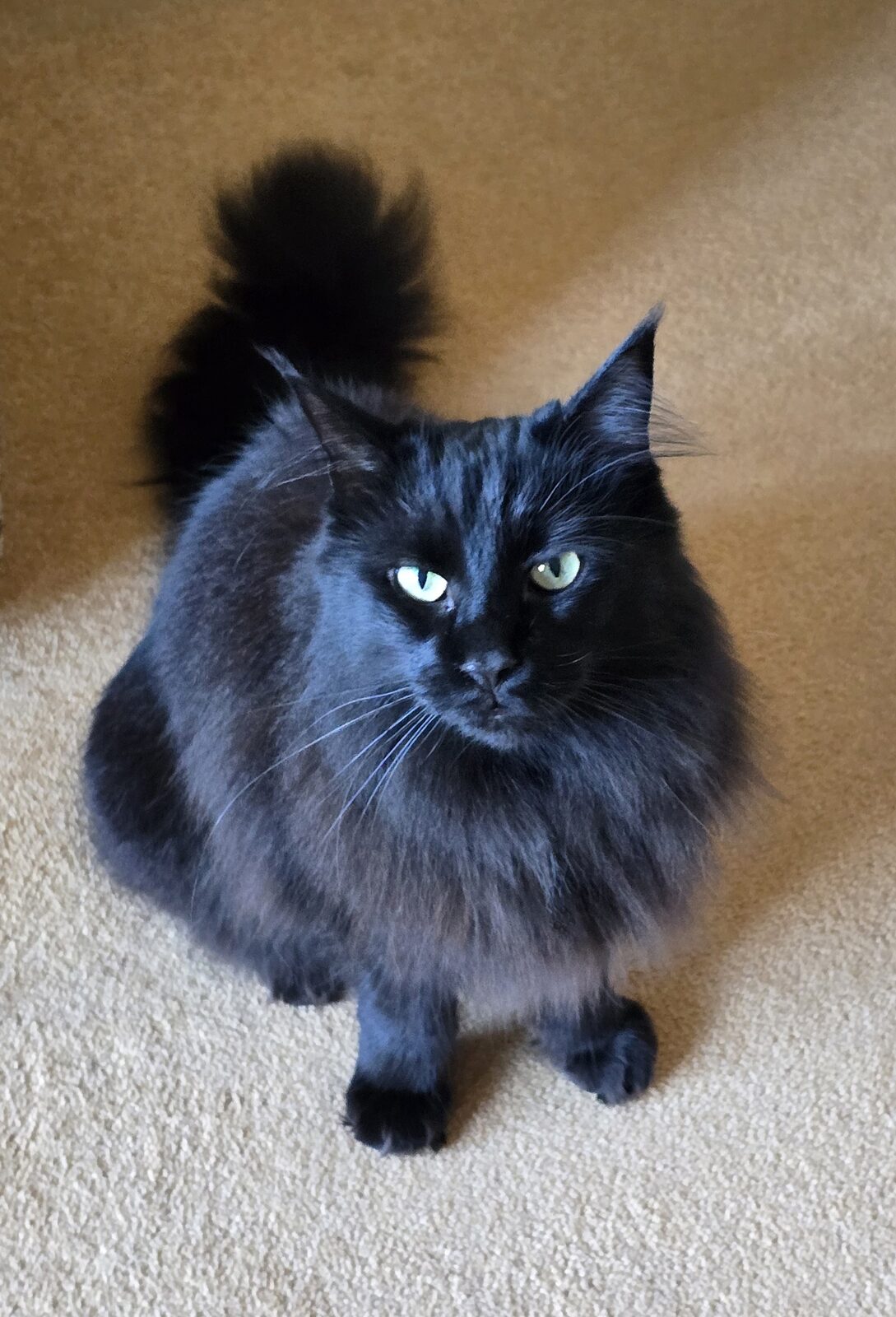
Despite their size, Maine Coons are agile and playful. Provide a tall, sturdy cat tree and scratching post, since lightweight furniture can tip under a heavy cat. Rotate toys such as wand toys, puzzle feeders, and crinkle balls to keep your cat engaged, and schedule a couple of short play sessions each day. Some Maine Coons enjoy playing fetch or even splashing in a shallow dish of water, so try a variety of activities to learn what yours prefers.
Health considerations
Maine Coons are predisposed to a few conditions worth knowing about:
- Hypertrophic cardiomyopathy (HCM), a heart condition — ask your vet about screening and watch for lethargy or labored breathing.
- Hip dysplasia, which can cause stiffness or reluctance to jump in older cats.
- Spinal muscular atrophy, an inherited condition that affects muscle tone but is not painful.
Reputable breeders screen breeding cats for these conditions. If you adopt, share any known history with your veterinarian and keep up with yearly checkups so problems are caught early.
Is a Maine Coon right for you?
Maine Coons do best in homes that can commit to weekly grooming and provide room to climb and play. Because these cats are heavy, invest in a sturdy, tall scratching post and cat tree that will not tip. If you want a sociable, dog-like cat that enjoys being part of family life, a Maine Coon can be an excellent fit — but expect shedding and a long-term grooming commitment.