Ragdoll Cat: Temperament, Care & Breed Guide
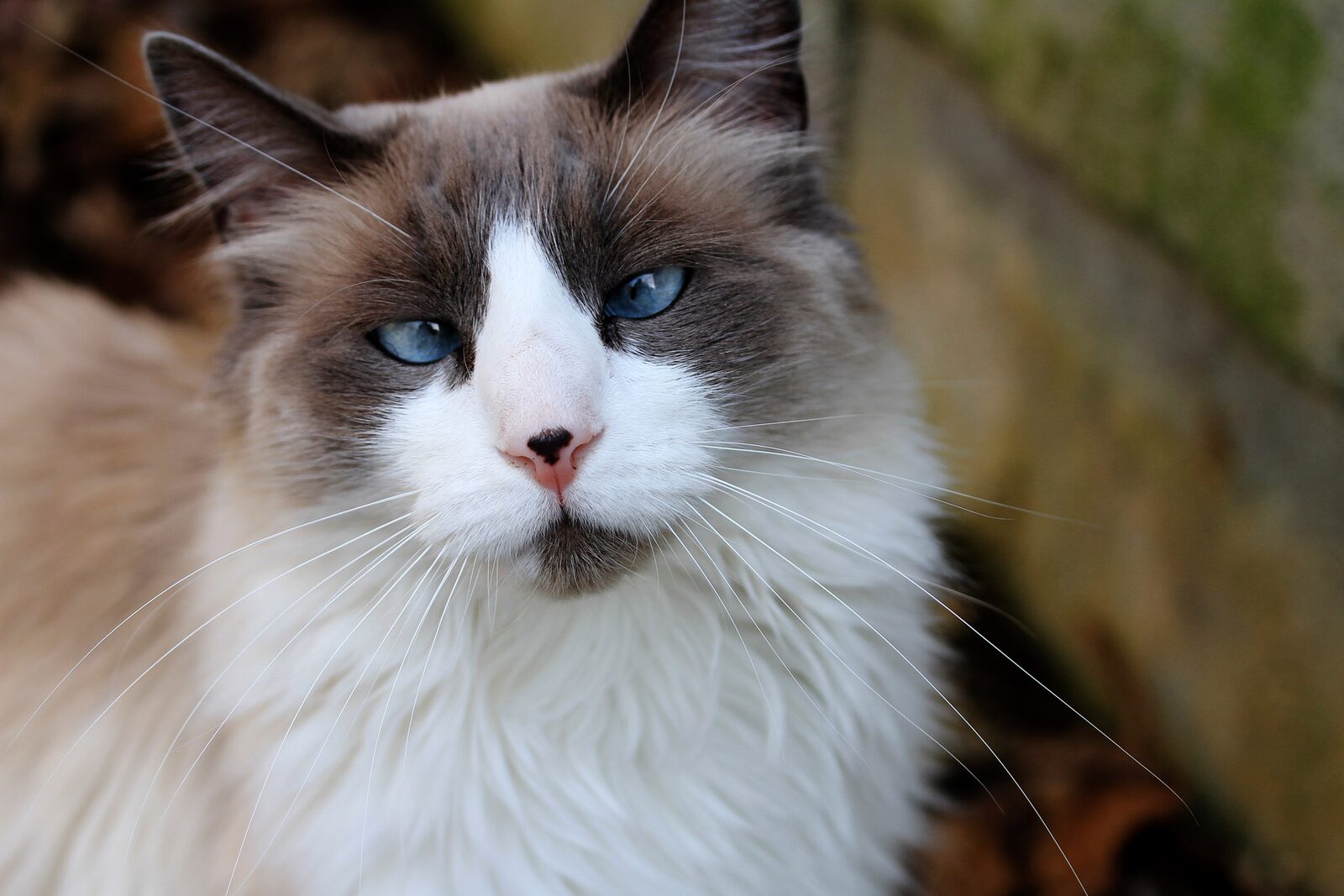
Ragdolls are large, blue-eyed cats known for a calm, trusting nature. The breed's name comes from founder Ann Baker's foundation cat, Josephine, who was said to go limp when held; the CFA says this is not typical of most of today's Ragdolls. They are a popular choice for families and first-time owners who want an affectionate, low-drama companion. This guide covers what to expect and how to care for one.
Personality and temperament
Ragdolls are gentle and easygoing. Most enjoy being held and cuddled, and they typically follow their people around the house. They are usually patient with children and tend to get along with other cats and cat-friendly dogs when introductions are gradual.
This is not an aloof cat. Ragdolls often greet visitors and prefer to be in the same room as their owners. They are moderately vocal, with a soft voice, and rarely demand attention loudly.
Ragdolls tend to stay kittenish well into adulthood, often carrying a favorite toy around or greeting you at the door. Their gentle nature makes them an especially easy breed for families with young children to live with.
Coat and grooming
The Ragdoll coat is semi-long, soft, and rabbit-like, with longer fur around the neck and hindquarters. It lacks a dense undercoat, so it mats less than some long coats but still needs care:
- Comb two or three times a week with a wide-tooth metal comb.
- Check the armpits, belly, and britches, where tangles tend to start.
- Brush more often during spring and fall shedding.
- Trim nails every two to three weeks.
Start grooming while the cat is young so it learns to relax during sessions.
Ragdolls shed, especially in spring and fall, so expect some loose fur around the house. A rubber grooming mitt between combing sessions helps collect shed hair, and many Ragdolls enjoy the gentle massage.
Diet and feeding
Ragdolls are big cats with a tendency to put on weight. Feed a complete, high-protein diet in two measured meals a day rather than leaving food out. Check body condition regularly — you should feel the ribs with light pressure. Some Ragdolls are not strong self-regulators, so portion control matters more than the specific brand.
Encourage water intake to support urinary health. Many Ragdolls drink more from a fountain or a wide bowl, and adding a little water to wet food can boost hydration. Avoid feeding table scraps, which add calories and can upset a sensitive stomach.
Enrichment and exercise
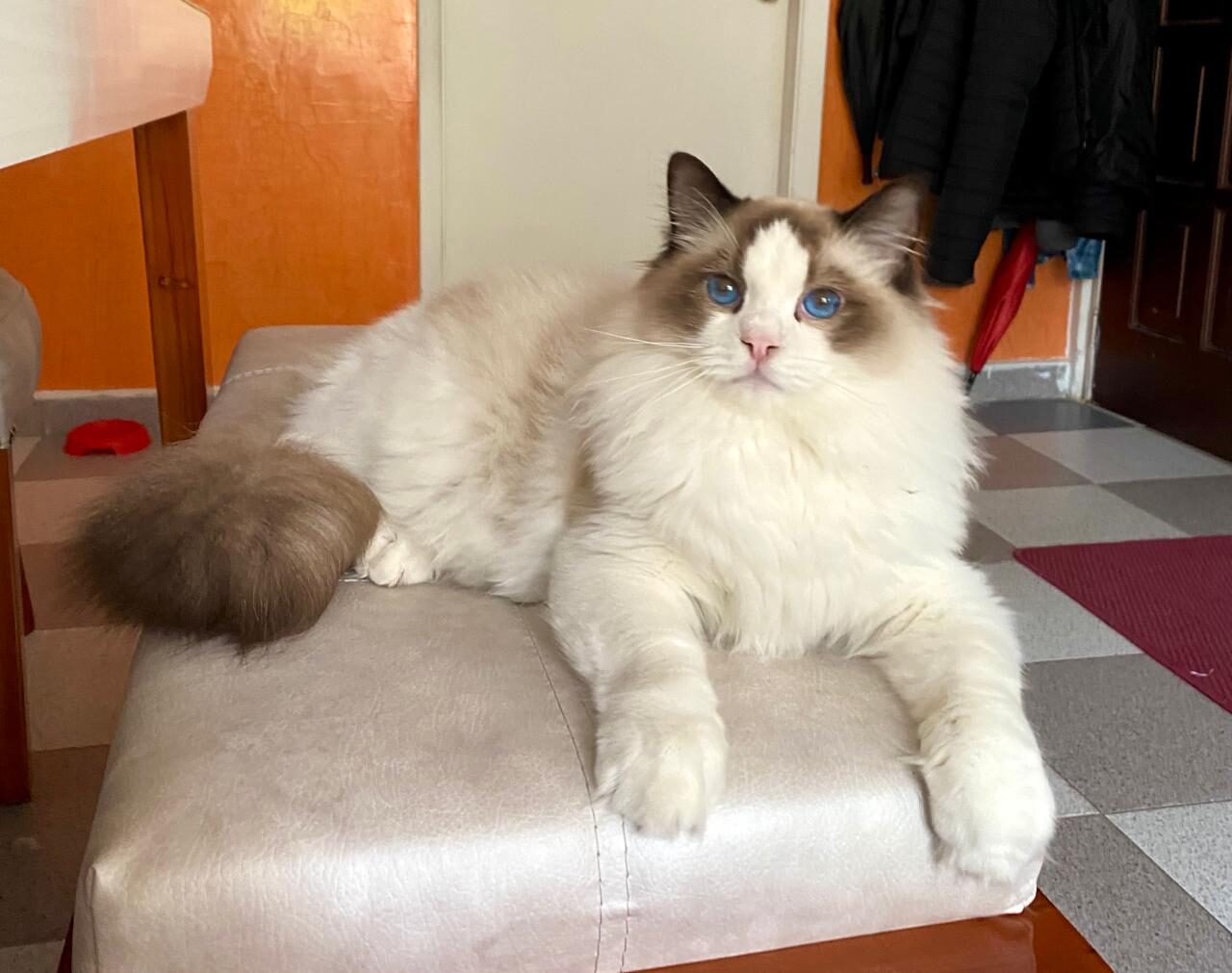
Ragdolls are relaxed but still need daily play to stay fit and mentally sharp. Provide a scratching post, a cat tree with perches, and rotating toys such as wand toys, balls, and puzzle feeders. Two short play sessions a day help prevent weight gain and boredom. Because the breed is trusting, keep Ragdolls indoors or provide a secure enclosure rather than letting them roam.
Ragdolls also tend to be food-motivated, which makes clicker training easy. Teaching simple cues like sit, come, or touch provides mental exercise and strengthens your bond with a breed that loves attention.
Health considerations
Ragdolls are predisposed to a few health conditions worth knowing about:
- Hypertrophic cardiomyopathy (HCM), a heart condition — ask your vet about screening.
- Bladder stones, so encourage water intake and watch for straining in the litter box.
- Obesity, which strains the joints and can worsen other problems.
Choose a breeder who screens for inherited conditions, and keep up with yearly veterinary checkups, vaccinations, and dental care.
Is a Ragdoll right for you?
A Ragdoll suits a home that wants a calm, affectionate cat and can commit to regular brushing. They do best with company, so they are a good fit for households with people around most of the day or for owners open to a second cat. Expect a devoted companion that prefers to be near you. Their trusting nature also means they usually adapt well to indoor life.