Siamese Cat: Personality, Care & Breed Guide
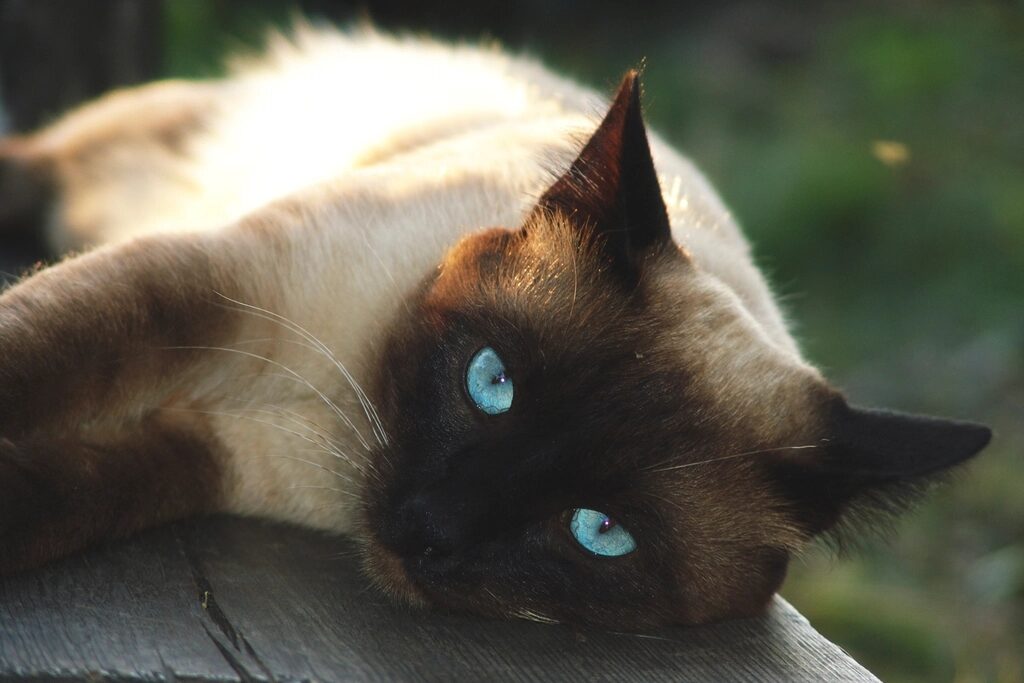
Siamese cats are known for their striking blue eyes, sleek body, and unmistakable voice. They are among the most people-oriented breeds, forming close attachments and often following their owners everywhere. This guide covers their temperament, care needs, and the health points to watch.
Personality and temperament
Siamese cats are social, intelligent, and highly interactive. They thrive on attention and are happiest in homes where someone is around for much of the day. A bored or lonely Siamese is more likely to meow persistently or find destructive ways to occupy itself.
Expect conversation: this breed is famously vocal and will "talk" with a range of meows and yowls to ask for food, play, or company. Siamese also tend to bond closely with one person while staying friendly with the rest of the household.
Their intelligence means they need interaction, not just food and a clean box. A Siamese that gets plenty of play and conversation is calmer and more content.
Coat and grooming
The Siamese coat is short, fine, and close-lying, so grooming is low maintenance. A weekly pass with a soft brush or grooming mitt is usually enough to remove loose hair and distribute oils. Most Siamese shed moderately and do not need frequent baths.
Because the coat is short, this breed feels the cold. Provide warm sleeping spots in winter, and keep the home comfortably heated. Routine nail trims and occasional ear checks round out the grooming routine.
Because the coat is thin, skin issues can show quickly. Check the skin while you brush and note any redness, flaking, or bald patches, which can point to allergies. Regular tooth brushing matters too, since the breed is prone to dental problems.
Diet and feeding
Siamese cats are active and lean, but they can still overeat if food is left out. Feed a complete, high-protein diet divided into two or three measured meals a day. Use your cat's body condition as the guide — you should feel the ribs easily under a thin layer of fat. Keep fresh water available and wash bowls daily.
Treats are fine in moderation, but keep them to a small share of daily calories. Because Siamese cats stay lean naturally, sudden weight loss is worth a vet visit rather than a sign of good health.
Enrichment and play
Siamese are clever and need mental stimulation. Provide puzzle feeders, interactive wand toys, and climbing shelves or a tall cat tree. A daily play session of 10 to 15 minutes helps burn energy and strengthens your bond.
Many Siamese enjoy learning tricks, such as sitting or fetching, when taught with treats and positive reinforcement. Because they dislike being left alone for long stretches, a second cat can provide valuable company.
Short, frequent play works better than one long session. Aim for two or three five-minute breaks through the day, and hide a few treats or kibble pieces around the house so your cat can hunt for them. Puzzle feeders also keep a clever Siamese busy while you are out.
Health considerations
Siamese cats are predisposed to a few health issues worth discussing with your vet:
- Dental disease, which is common in the breed — brush teeth regularly and schedule dental checks.
- Progressive retinal atrophy (PRA), an inherited eye condition that can lead to vision loss.
- Respiratory sensitivity, so avoid smoke and strong fumes in the home.
- Amyloidosis, a disease that can affect the liver in some lines.
Ask breeders about health screening, and keep up with yearly veterinary visits and vaccinations.
Is a Siamese right for you?
A Siamese suits an owner who wants a talkative, affectionate, and involved companion rather than an independent cat. If you can offer companionship, daily play, and a warm home, the breed rewards you with loyalty and personality. If you are away most of the day, consider a second cat or a more independent breed.